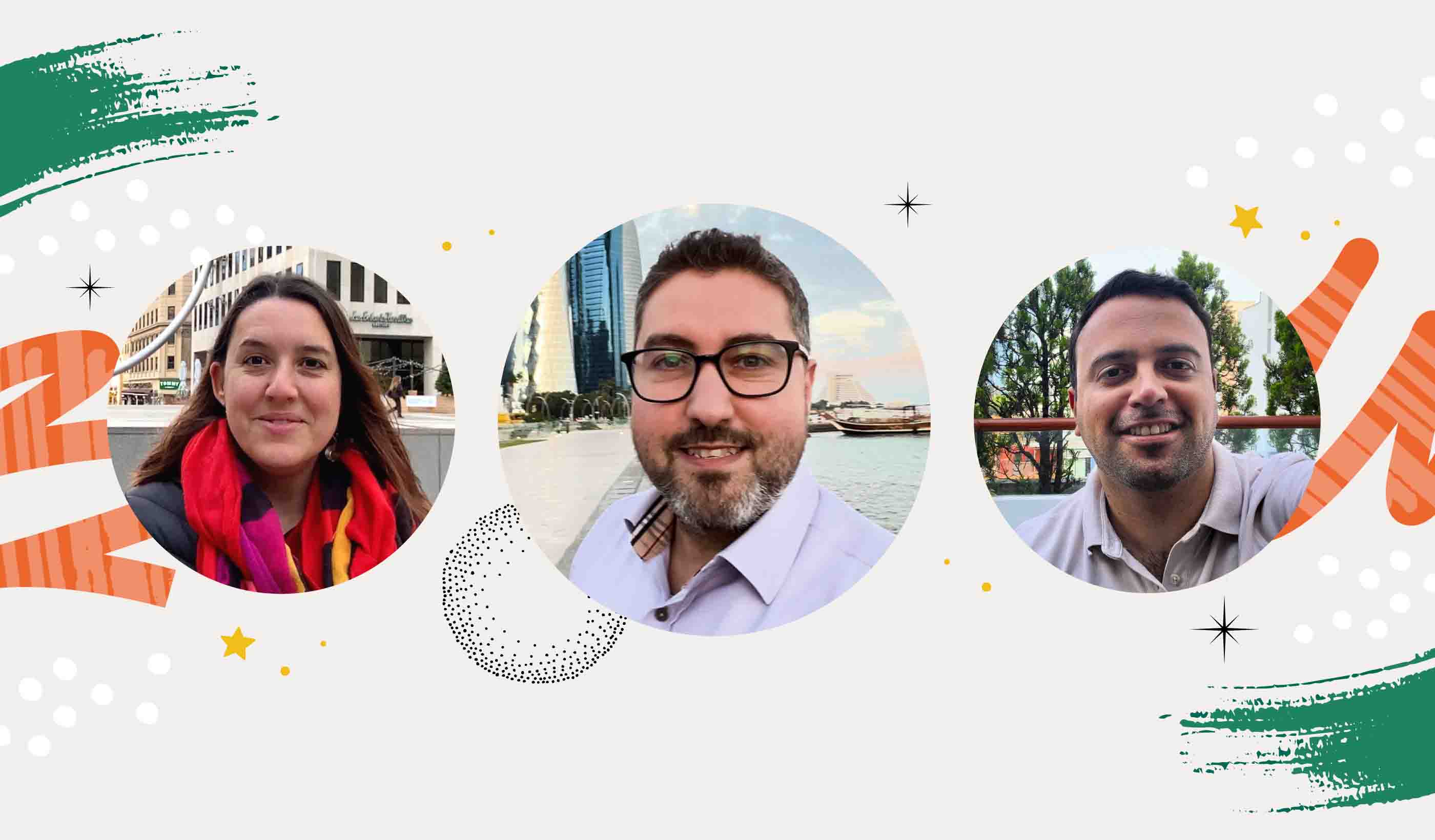
All in for reconciliation: A conversation with Claire Bickerstaff and Jordan Witt
May 20, 2026
May 20, 2026
Claire Bickerstaff and Jordan Witt discuss what reconciliation means, why it matters, and how it’s shaping our work and relationships
At Stantec, reconciliation is a shared responsibility—shaped by commitment, learning, and action across our business. It’s an ongoing journey that relies on everyone contributing, in different ways, to building stronger relationships grounded in respect and understanding.
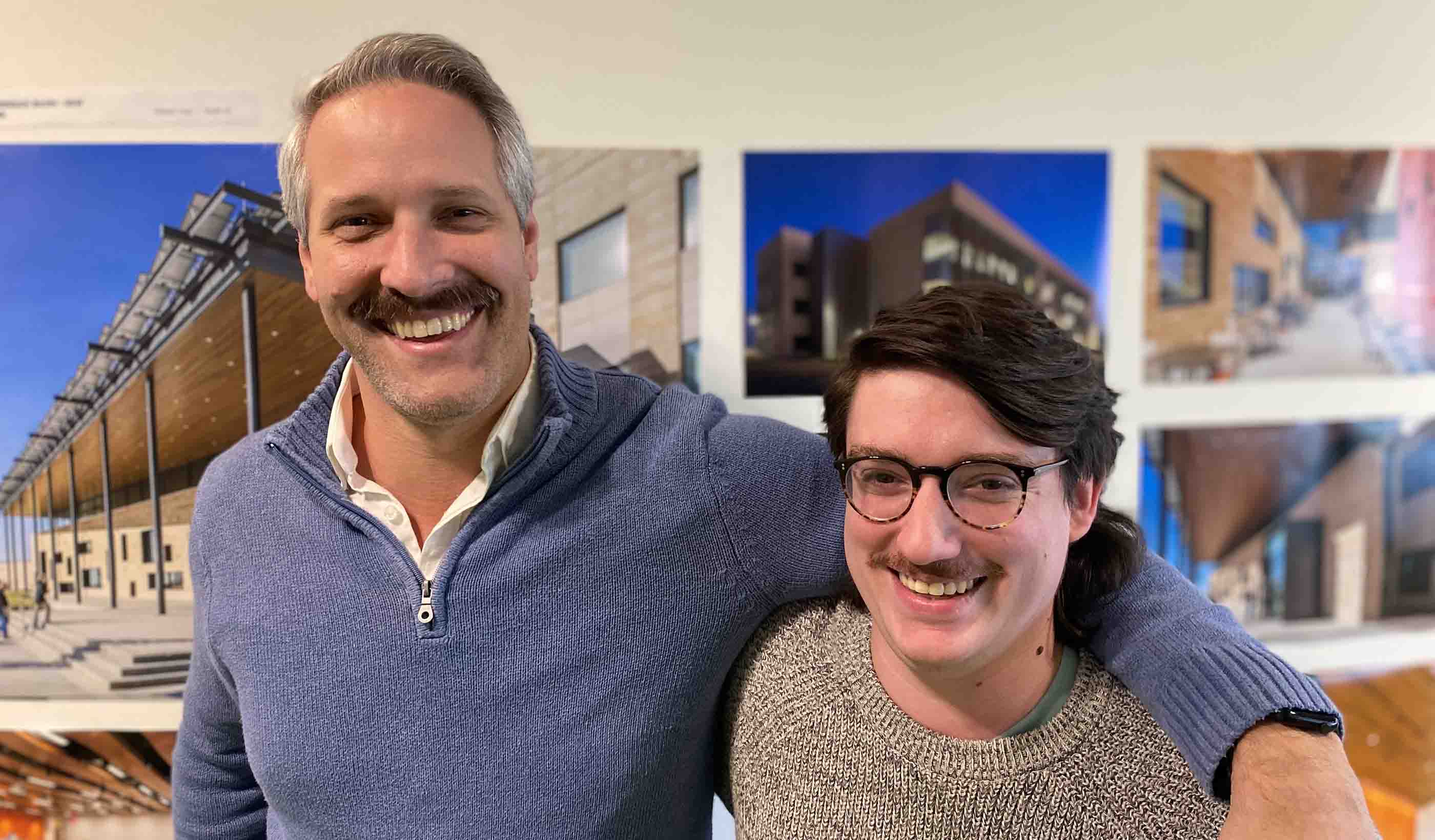
As part of our ongoing reconciliation journey and commitment to strengthening our First Nations relationships, we spoke with Claire Bickerstaff and Jordan Witt, members of our Reconciliation Action Plan (RAP) Working Group. We wanted to know what reconciliation means to them, why they chose to get involved, and how their work intersects with this important space.
For Claire, getting involved was about leadership, growth, and signalling the importance of reconciliation within her team and region.
“I felt it was important to show leadership and illustrate the importance of the RAP to my team and region,” she says. “And for my own personal growth and career development, I think it’s interesting to get involved in different things outside of the day-to-day technical work.”

Reconciliation is important to Jordan Witt, and not just when it comes to project work. “This also translates to reconciliation outside of work; how my actions and my family’s actions can support reconciliation within the community.”
Jordan’s involvement is closely connected to his Defence work and the outcomes he delivers for clients.
“I feel my involvement is a natural progression from my role,” he explains. “I joined Stantec in early 2025 as a leader within the Defence market sector team. My role spans business development, proposal development, and project delivery.”
He also believes reconciliation is embedded in the type of work he delivers.
“A key element of the Defence projects I work on is supporting the Commonwealth to exceed its Indigenous participation targets,” he says. “Over the past year, I’ve built strong relationships through Stantec’s RAP Working Group and the Indigenous business community to support integrated Defence delivery teams.
Being a member of the RAP Working Group allows me to deepen that work.”
Claire says that reconciliation is truly a shared responsibility.
“Reconciliation is not an activity to be driven by Aboriginal and Torres Strait Islander people,” she says. “We all individually and collectively have a responsibility to play our part in reconciliation.”
Jordan echoes how important it is to embed reconciliation into the way we work and live.
“To me, this means reconciliation needs to be integrated into our business practices and project delivery,” he says. “It’s fully embedded and is not an optional add-on or symbolic gesture.”
He also points to the role reconciliation plays beyond the workplace.
“This also translates to reconciliation outside of work; how my actions and my family’s actions can support reconciliation within the community.”

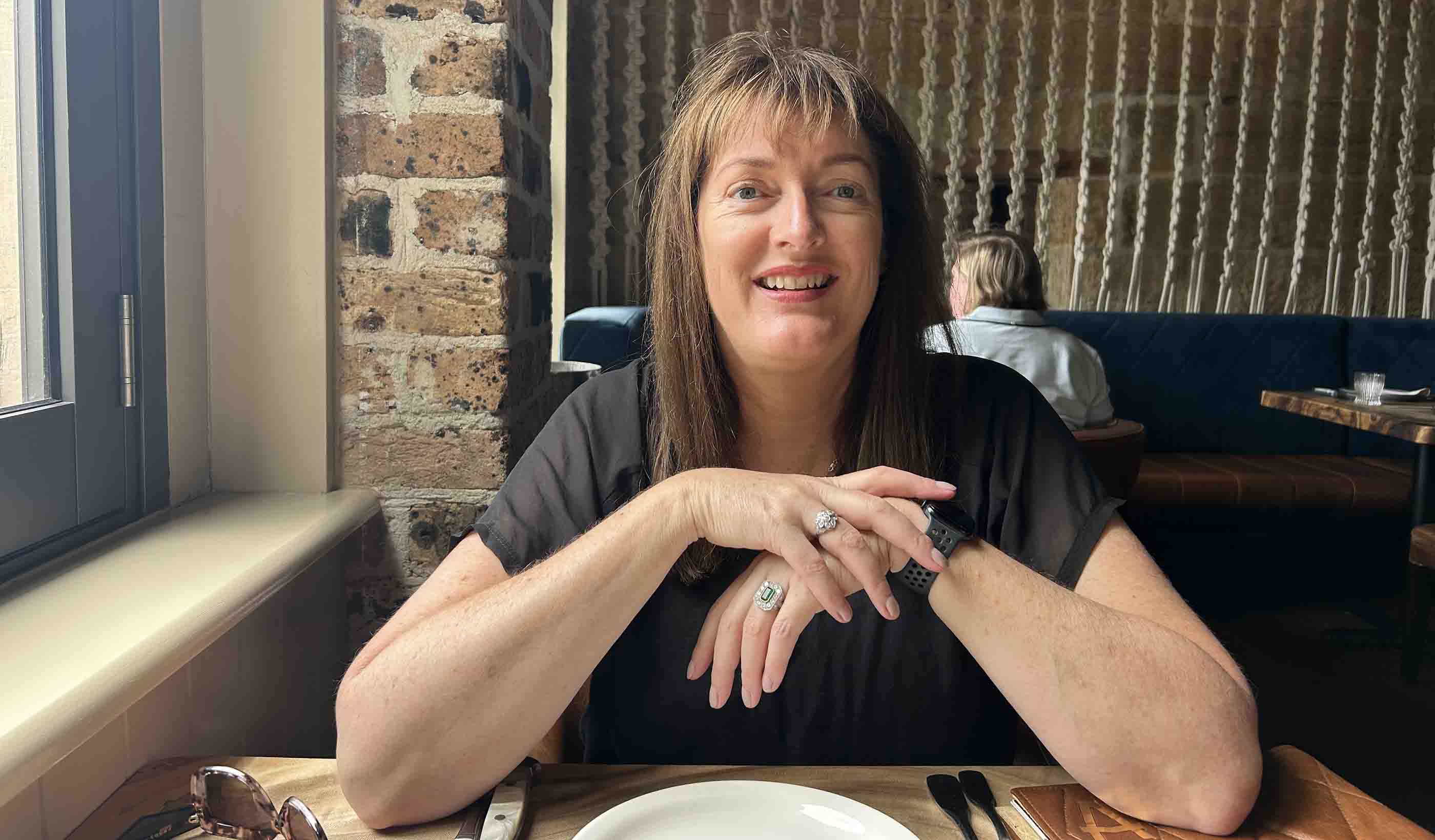
Claire Bickerstaff at an Arts Projects Australia exhibition, supporting artists with intellectual disability.
For Claire, our focus on reconciliation shows in how people are working together to turn intent into action.
“It’s encouraging to see people from across the business involved in the RAP Working Group,” she says. “There’s a genuine sense of shared ownership, with individuals contributing to the many actions and commitments within the plan.”
She notes that the Innovate Reconciliation Action Plan sets out a broad agenda, one that relies on sustained, collective effort.
“Our RAP outlines a wide range of commitments,” Claire explains. “Progressing them requires people across the business to contribute time, capability, and care to connect the right people and see that our commitments are embedded in the way we work.”
Jordan describes our approach as practical, action-oriented, and grounded in accountability.
“From a RAP working group perspective, it’s about embedding respect, partnership, and accountability into how we operate as a business,” he says. “Guided by our action plan, this helps us work alongside Indigenous peoples to create meaningful opportunities, informed design outcomes, and stronger communities.
At its core, reconciliation is about turning commitments into action, every day.”
Reconciliation is about turning commitments into action, every day.
For Claire, reconciliation connects directly to her work in land development.
“In my role, we often engage with Traditional Owners as part of approval processes for works that may impact culturally sensitive land,” she explains.

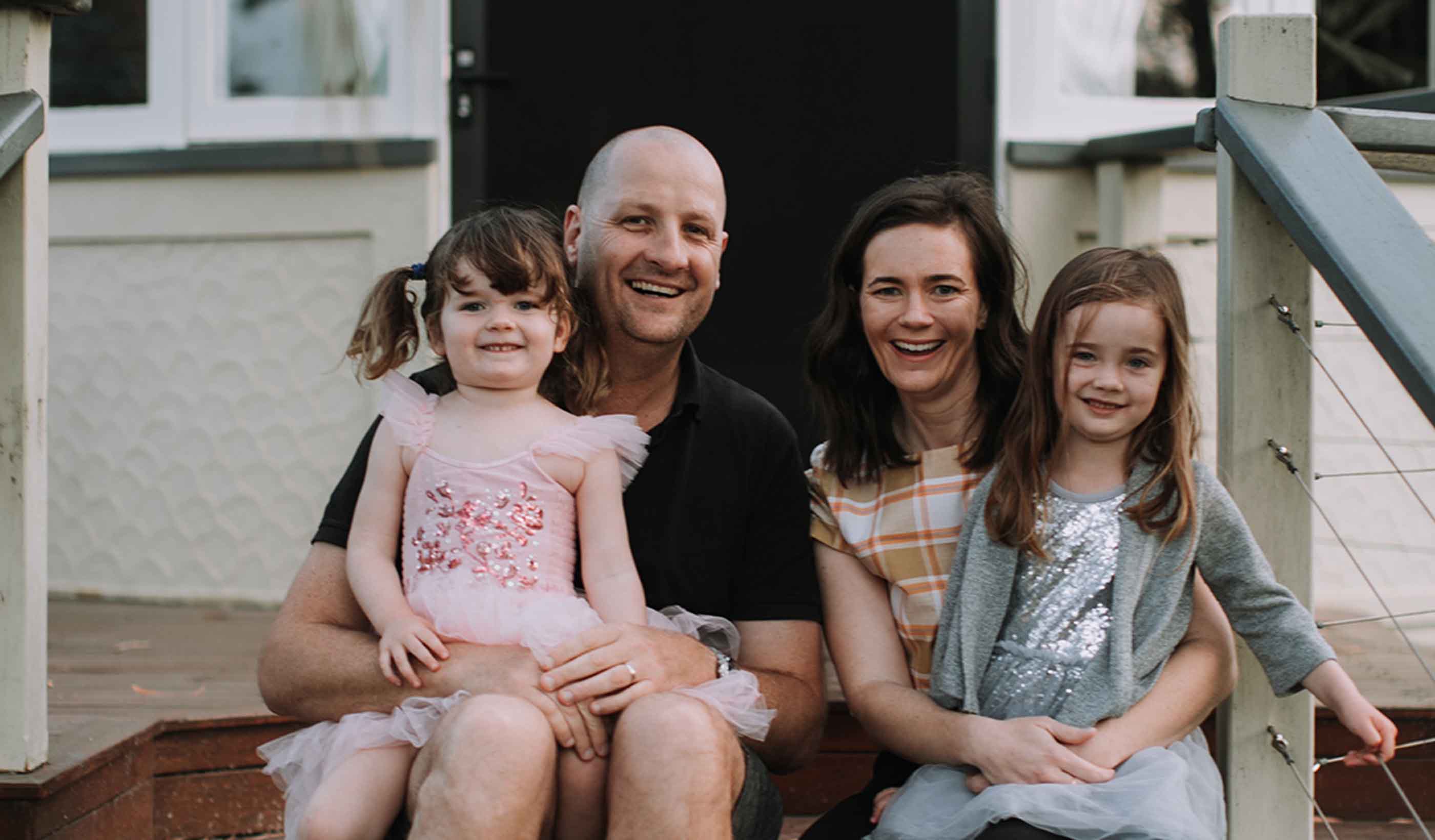
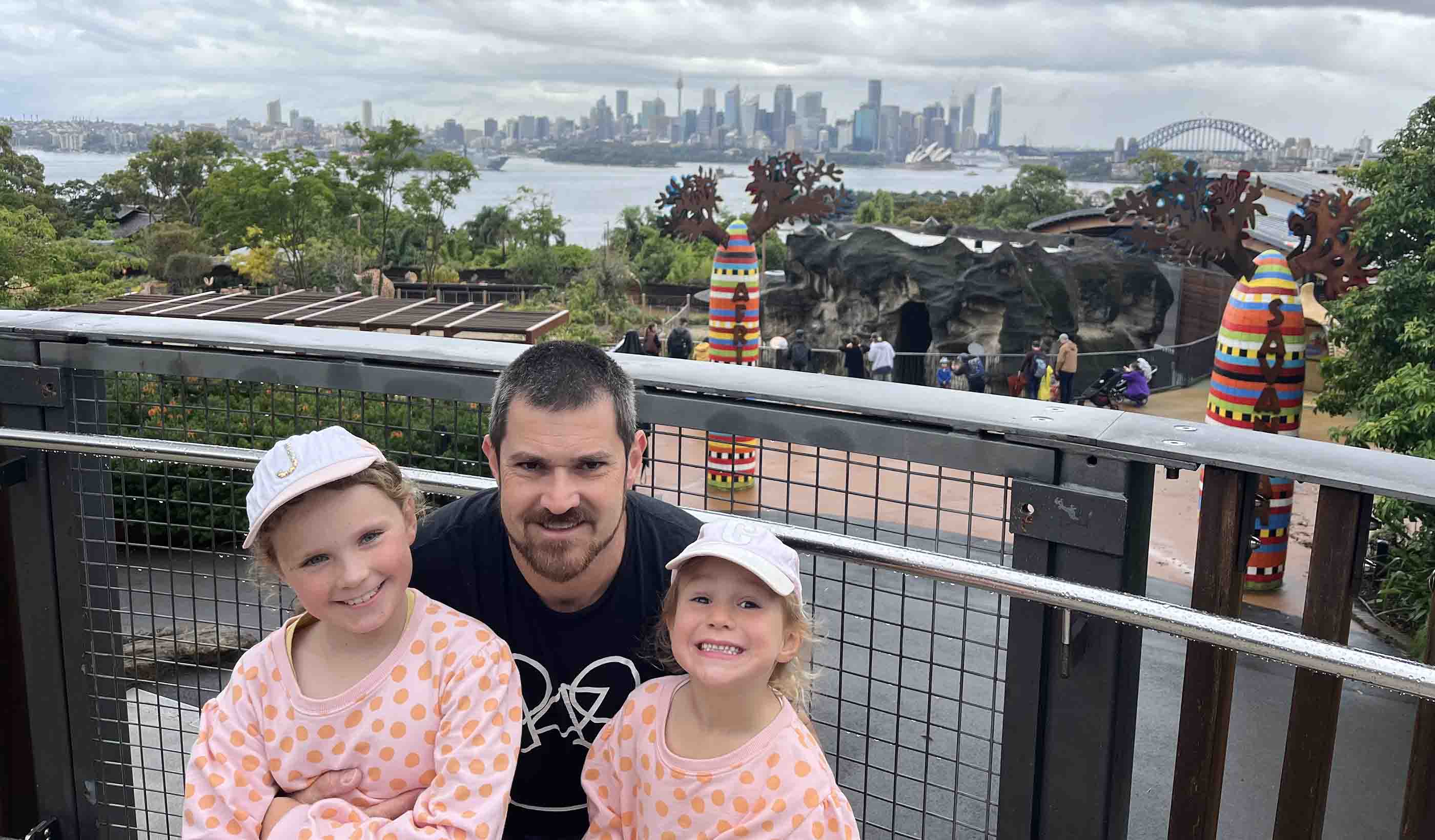
Jordan enjoys a walk in the local nature reserve on Kabi Kabi Country with his daughter.
Claire notes that these conversations can be complex, especially where different perspectives and priorities are at play.
“They can involve navigating different priorities and perspectives between clients and Traditional Owners,” she says. “The education-focused actions within our RAP are helping strengthen our capability to engage in these conversations with confidence, respect, and care.”
Jordan’s work in the Defence market sector also places reconciliation at the centre of project delivery.
“Over the past year, our Defence sector team has incorporated Indigenous participation requirements into three design services tenders,” he says. “We’ve received positive feedback on the strength of our Indigenous participation approach.”
He adds that this focus is continuing to evolve.
“We are continuously improving our tender processes and building relationships with Indigenous suppliers and subconsultants.”
Looking ahead, Claire continues to drive momentum to embed reconciliation.
“Continuing to implement the actions in the RAP to see staff awareness and education grow and discover further opportunities to engage with Aboriginal groups in our work.”
For Jordan, the year ahead includes an important piece of guidance that will help shape the approach on projects.

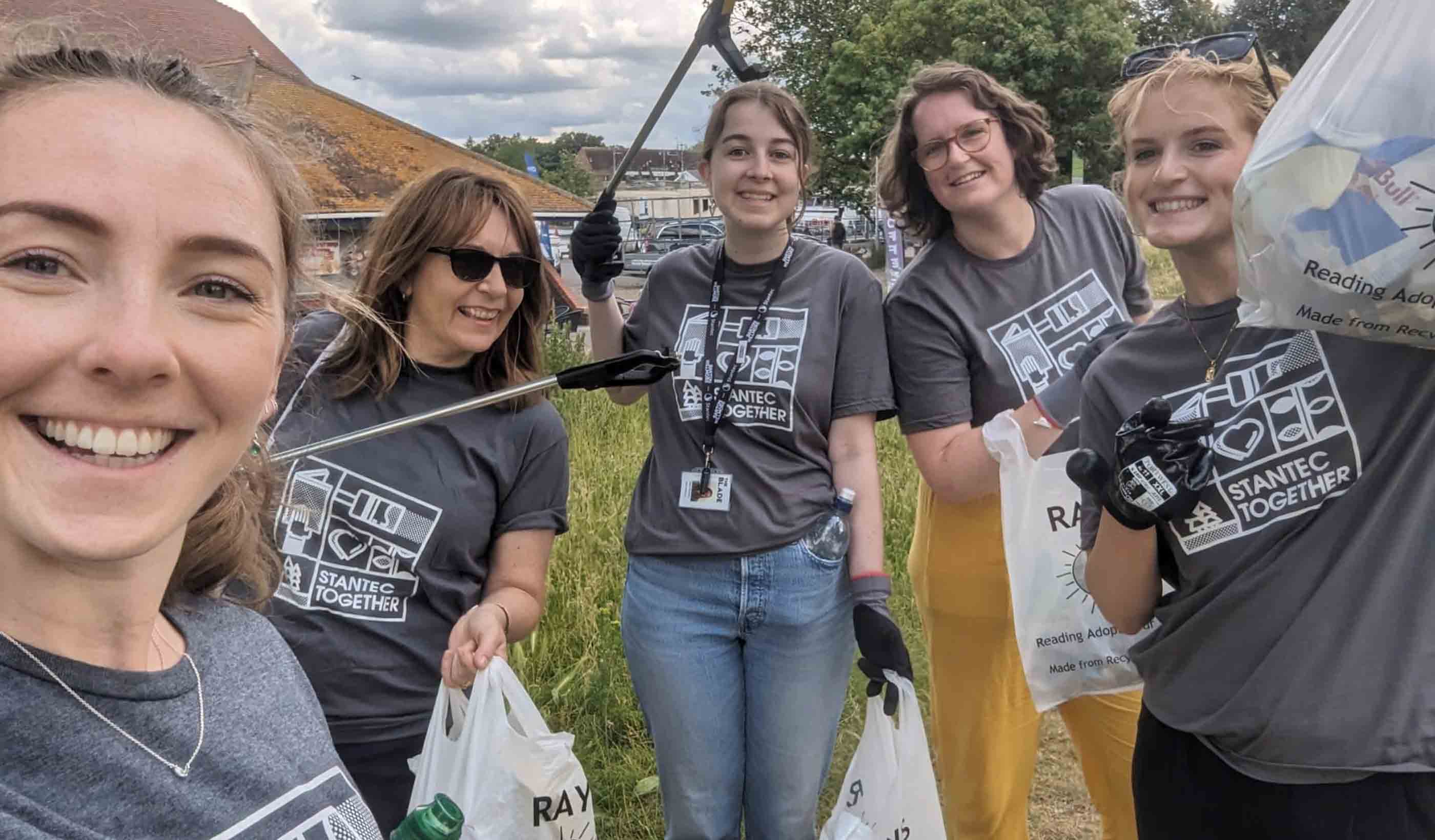
Indigenous planting taking place at the Ballarat Bridge Mall redevelopment during National Reconciliation Week in 2025.
“One of my tasks is to develop and integrate our guidelines for redefining what’s possible in connecting our infrastructure designs with Country,” he says.
As part of that work, the guidance will help project teams better understand and respond to Country—the land, waters, and places of ongoing cultural, spiritual, and historical significance to Aboriginal and Torres Strait Islander peoples—and will explore:
Progress happens when we are all committed, learning, listening, and acting together. With our RAP up for renewal in September 2026, we’re actively reflecting on what we’ve achieved, and we’re working to shape the actions that will guide us into our next RAP. Claire and Jordan’s reflections demonstrate what it means to be all in for reconciliation—through shared responsibility, sustained effort, and a commitment to meaningful progress.