At a Glance
-
1,709
Grave Shafts
-
126
Archaeologists
-
9,452
m3 Soil Excavated
- Location
- Indianapolis, Indiana
- Offices
-
-
Client
-
-
Indianapolis Department of
-
Public Works
-
-
Partners
-
-
Indiana University Indianapolis
-
- Location
- Indianapolis, Indiana
- Offices
- Client
-
- Indianapolis Department of
- Public Works
- Partners
-
- Indiana University Indianapolis
Share
Greenlawn Cemetery Excavation and Relocation
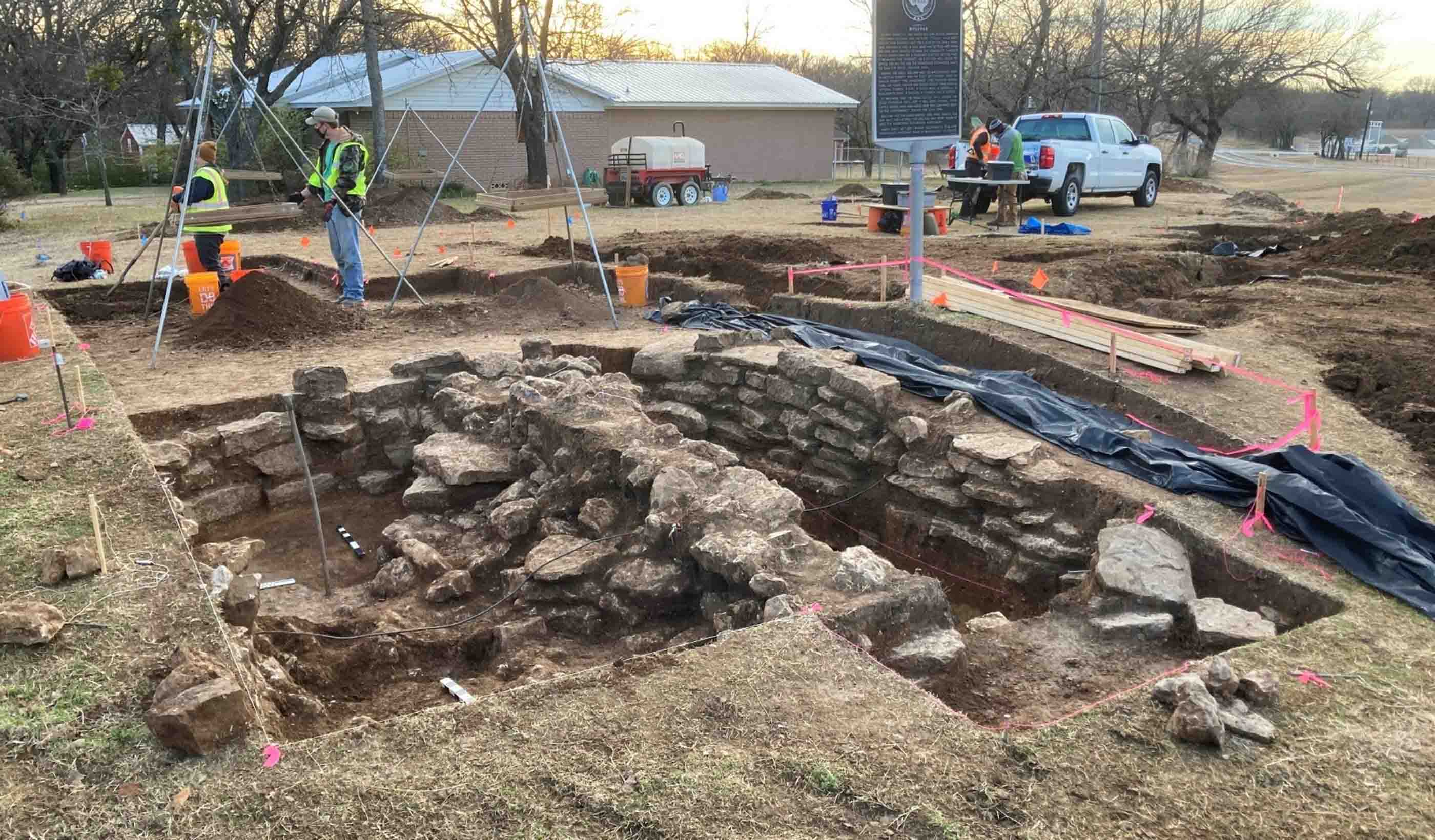
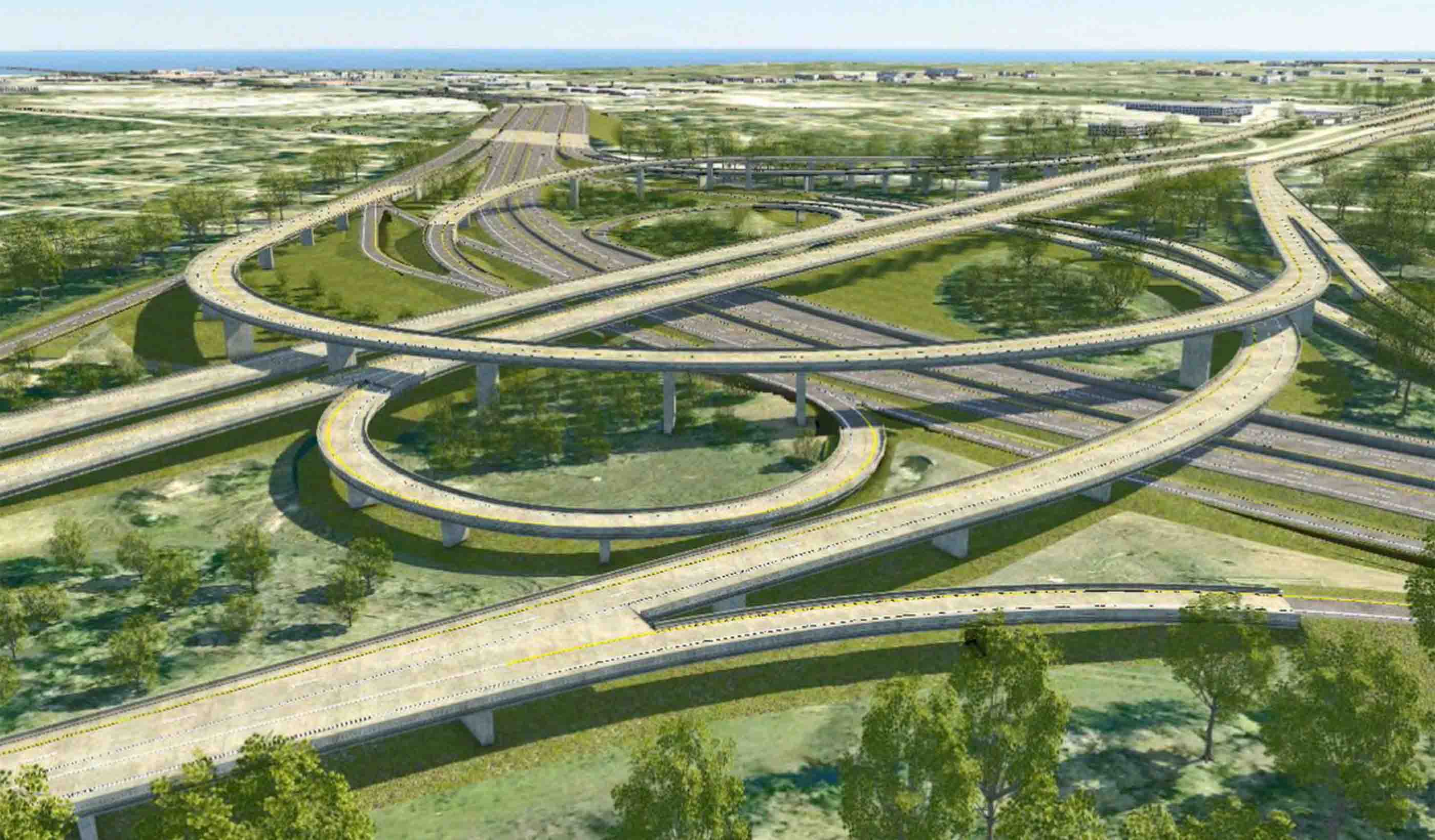
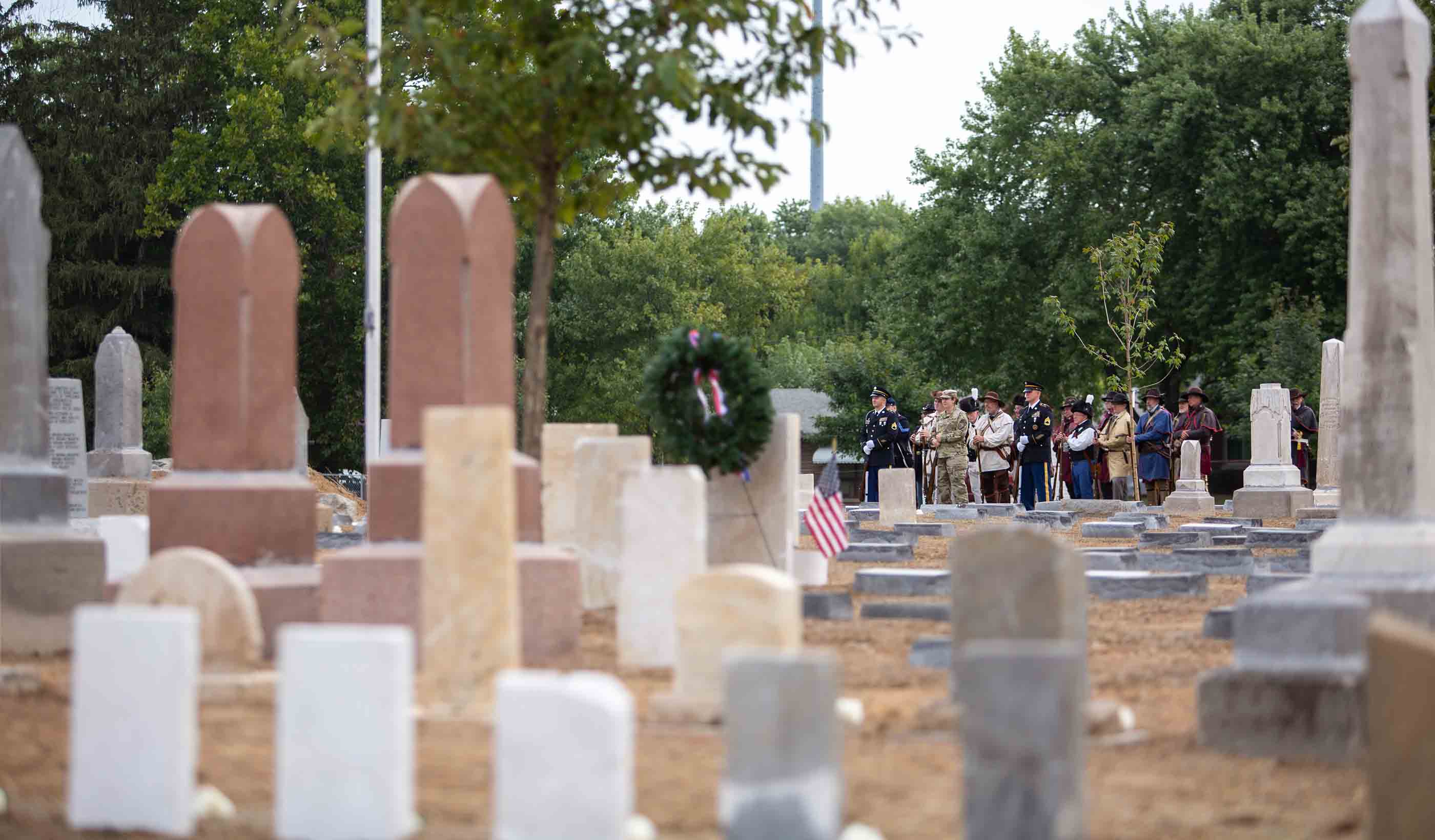
The Indianapolis Department of Public Works is constructing a new bridge over the White River to improve road connectivity and reduce congestion. However, the Henry Street Bridge project intersects with the historic Greenlawn Cemetery. Established in the 1820s, some of Indianapolis’s earliest residents were buried here. The City of Indianapolis retained our archaeological team to excavate and relocate the burials.
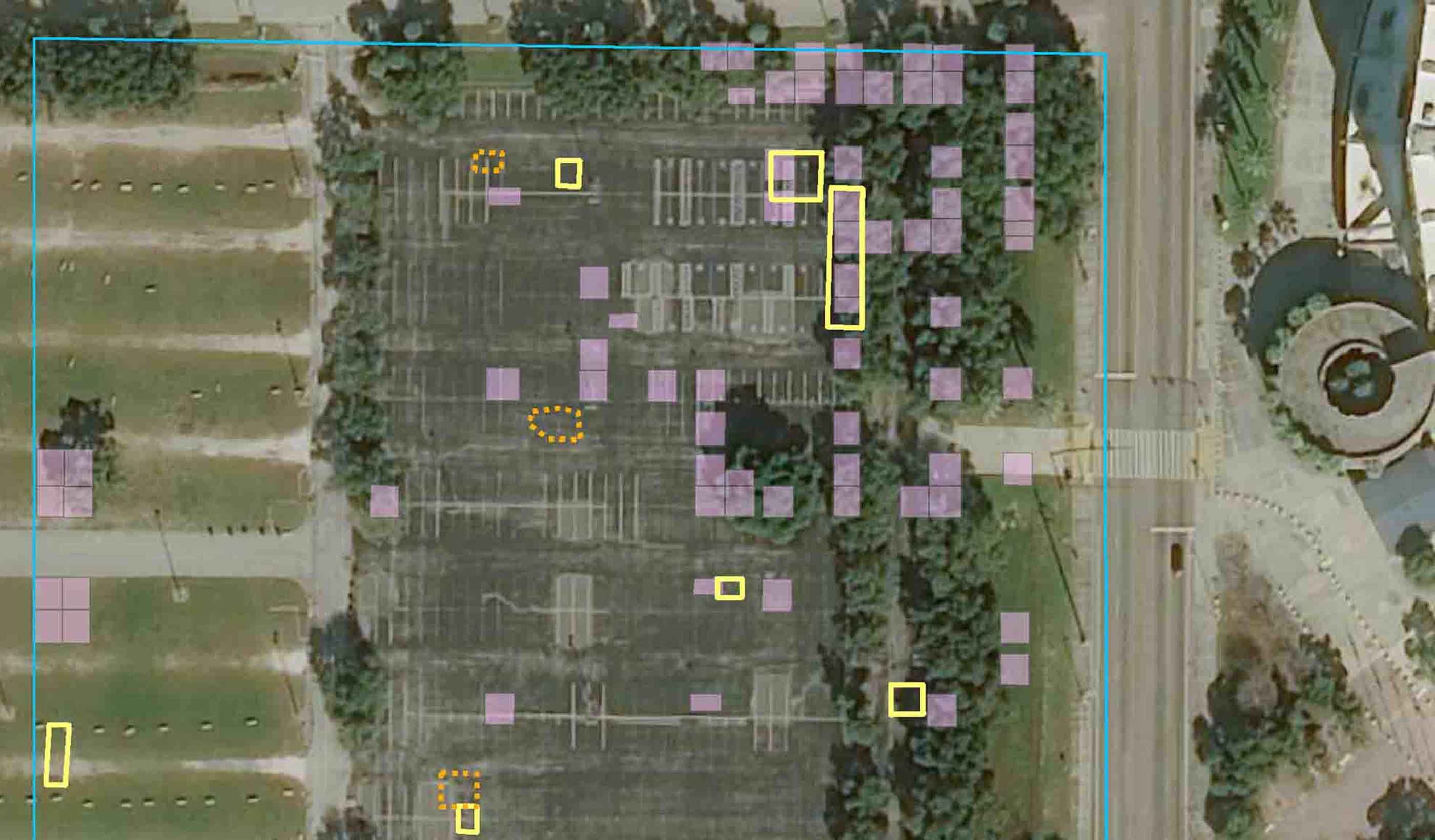
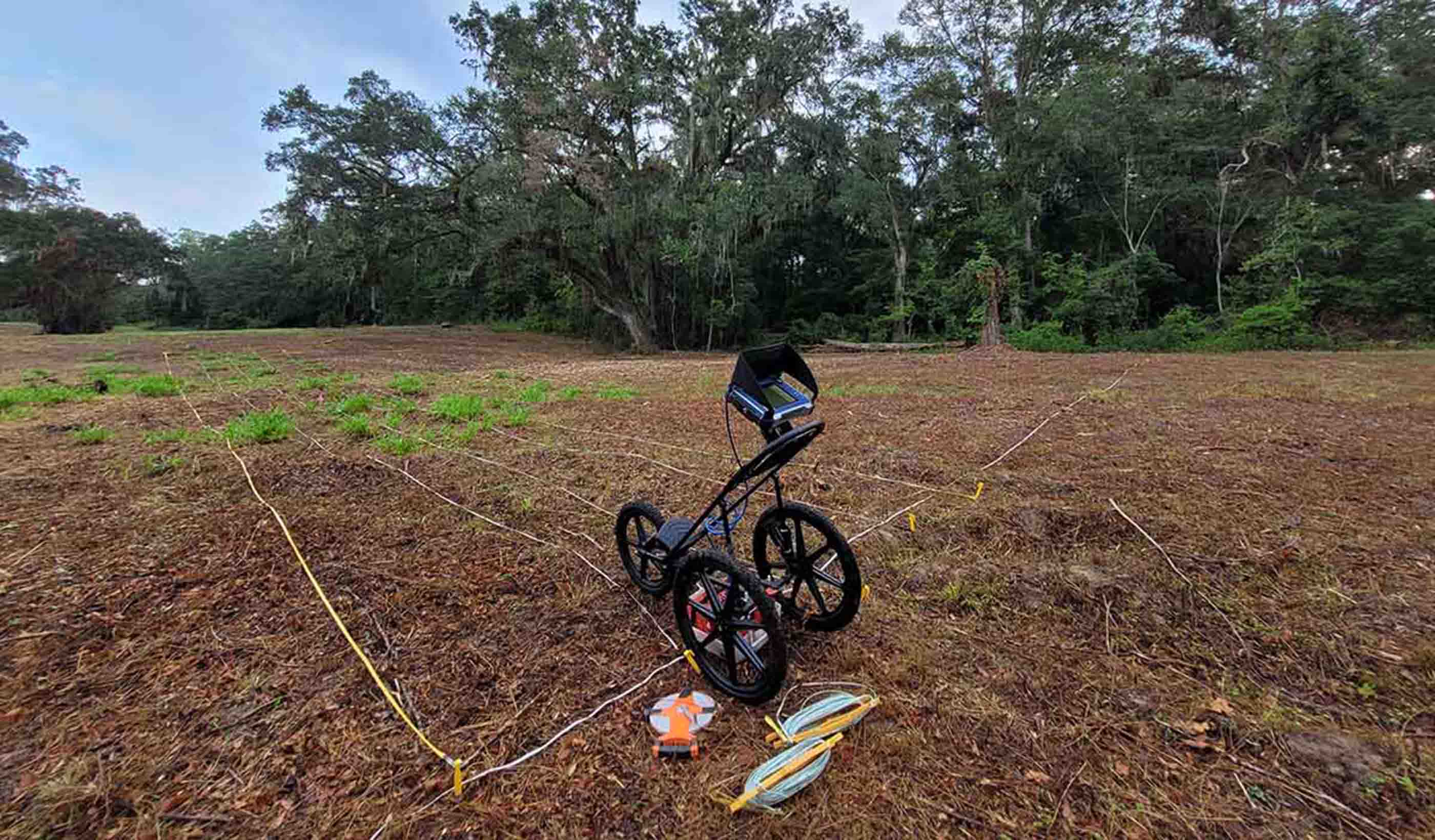
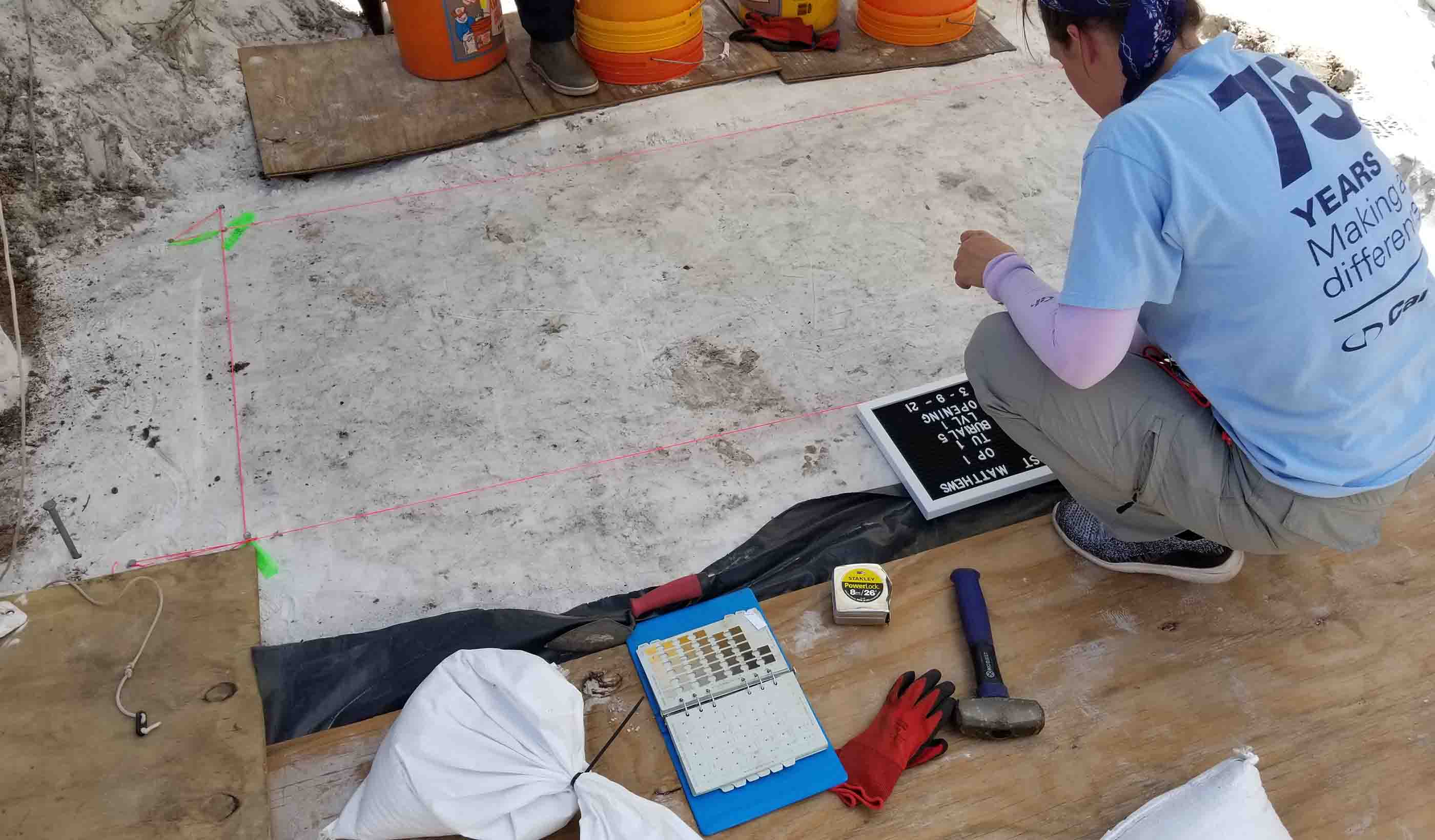
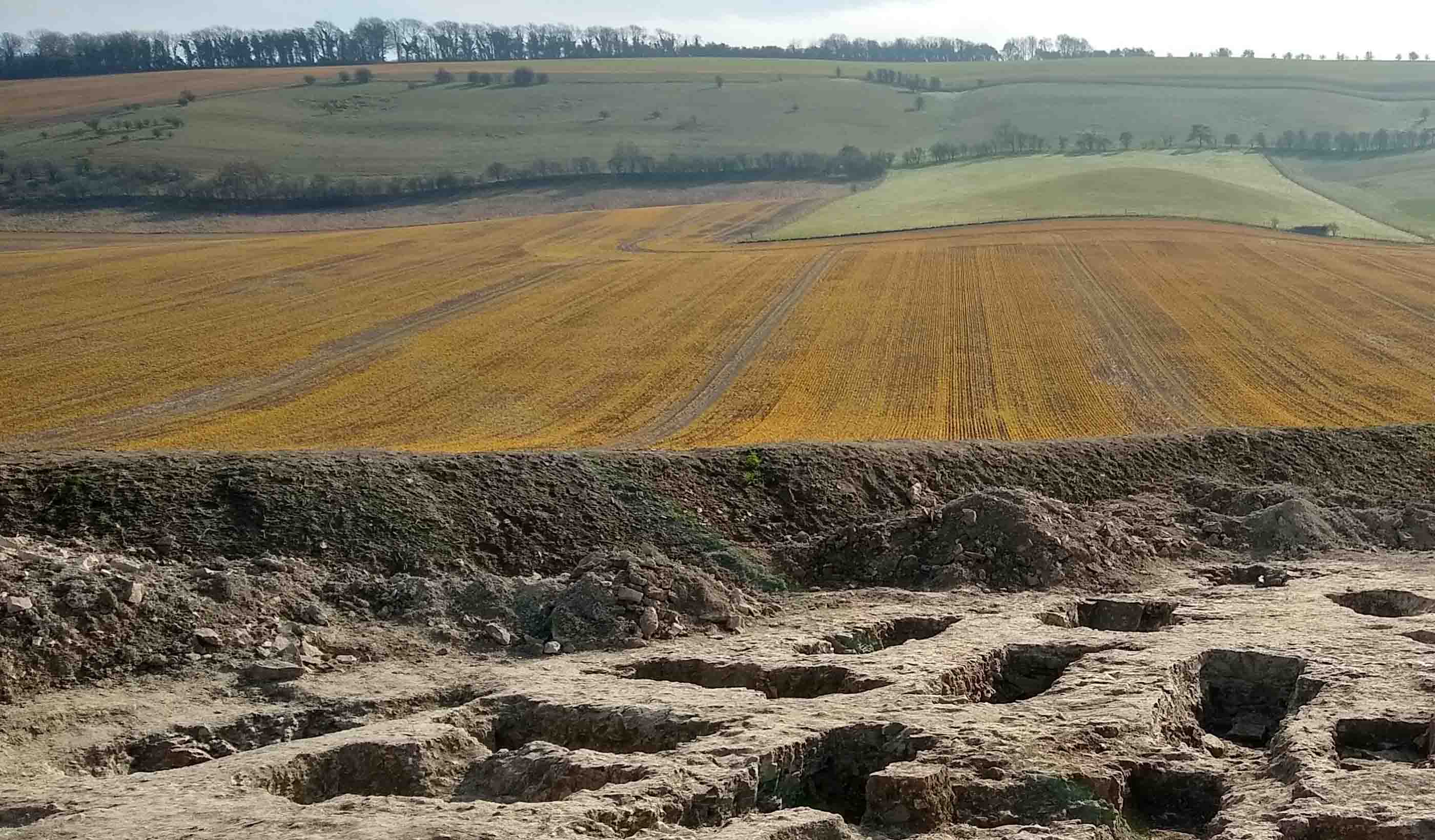
We identified and documented 1,709 grave shafts for relocation. Given the sensitive nature of cemetery relocation, our team developed a rigorous documentation workflow to account for every burial, recording them with the highest level of care and detail. We deployed a range of geospatial technologies to map, visualize, and interpret archaeological data.
For example, our archaeologists used structure-from-motion photogrammetry, a technique that builds 3D models from overlapping 2D images, to construct a georeferenced 3D model of the burials with the skeletal remains in situ. This helped us analyze artifacts and skeletal remains in relation to other nearby burials, artifacts, and buried grave markers.
Our team also used unmanned aircraft systems to conduct weekly drone flights to record changes onsite. These surveys produced orthomosaics, digital surface models, and sitewide 3D models that documented change over time and supported soil volume calculations for excavation and backfilling.
Using custom digital survey forms, we recorded detailed information about every burial. We then digitally documented items as they were unearthed, so that no data loss occurred. Laboratory analysis occurred at the nearby Indiana University Indianapolis.
We also created custom dashboards in ArcGIS Online linking the data collected on-site with laboratory data. This allowed seamless communication between the field site, osteology lab, and community advisory group. Additionally, the dashboards provided project leaders, the community advisory group, and the client with shared visibility, helping them align and make effective decisions together.
By integrating geospatial techniques with more traditional archaeological techniques, we were able to enhance data quality and efficiency and improve decision-making, transforming the approach to large-scale cemetery relocation.
The Henry Street Bridge project and Greenlawn Cemetery relocation showcases the City’s commitment to residents both current and passed.
At a Glance
-
1,709
Grave Shafts
-
126
Archaeologists
-
9,452
m3 Soil Excavated
- Location
- Indianapolis, Indiana
- Offices
-
-
Client
-
-
Indianapolis Department of
-
Public Works
-
-
Partners
-
-
Indiana University Indianapolis
-
- Location
- Indianapolis, Indiana
- Offices
- Client
-
- Indianapolis Department of
- Public Works
- Partners
-
- Indiana University Indianapolis
Share
Alex Elvis Badillo, Principal Investigator, Archaeologist
Connecting academic research with real-world application empowers clients and communities to better manage and protect cultural heritage.
Katie Settle, Associate, Archaeologist
I’m passionate about protecting cultural heritage, respecting communities, and helping clients move forward in responsible, lasting ways.







We’re better together
-
Become a client
Partner with us today to change how tomorrow looks. You’re exactly what’s needed to help us make it happen in your community.
-
Design your career
Work with passionate people who are experts in their field. Our teams love what they do and are driven by how their work makes an impact on the communities they serve.