On the land and in the classroom: Lessons from Délı̨nę
March 24, 2026
March 24, 2026
Indigenous-led field courses in Délı̨nę blend archaeology, revegetation, and Dene knowledge to support healing, stewardship, and community-led renewal
Máhsı Ejǫ Denets’ę́ Náwahdǝ!
That means welcome, thank you for coming to us, in Dene Kǝdǝ́, the language of the Délı̨nę people.
In the heart of the Northwest Territories, where land and lake meet beneath endless northern skies, you’ll find Délı̨nę, a remote community of around 575 people on the shores of Great Bear Lake, the largest lake that is entirely within Canada. Great Bear Lake is the world’s eighth-largest lake; it is roughly 320 kilometres long and holds enough water to fill 1 billion Olympic-sized swimming pools.
The area around Great Bear Lake has a long history of uranium mining, beginning before World War II and accelerating during the Manhattan Project. Uranium was transported by barge across the lake, with some materials temporarily offloaded along the shores—sites that are now being assessed for environmental contamination.
Our team was there as part of a collaboration between the Délı̨nę Got’ı̨nę Government (DGG), Royal Roads University, Canada Nuclear Laboratories, WSP, and K’alo Stantec to deliver unique archaeological and revegetation field courses.

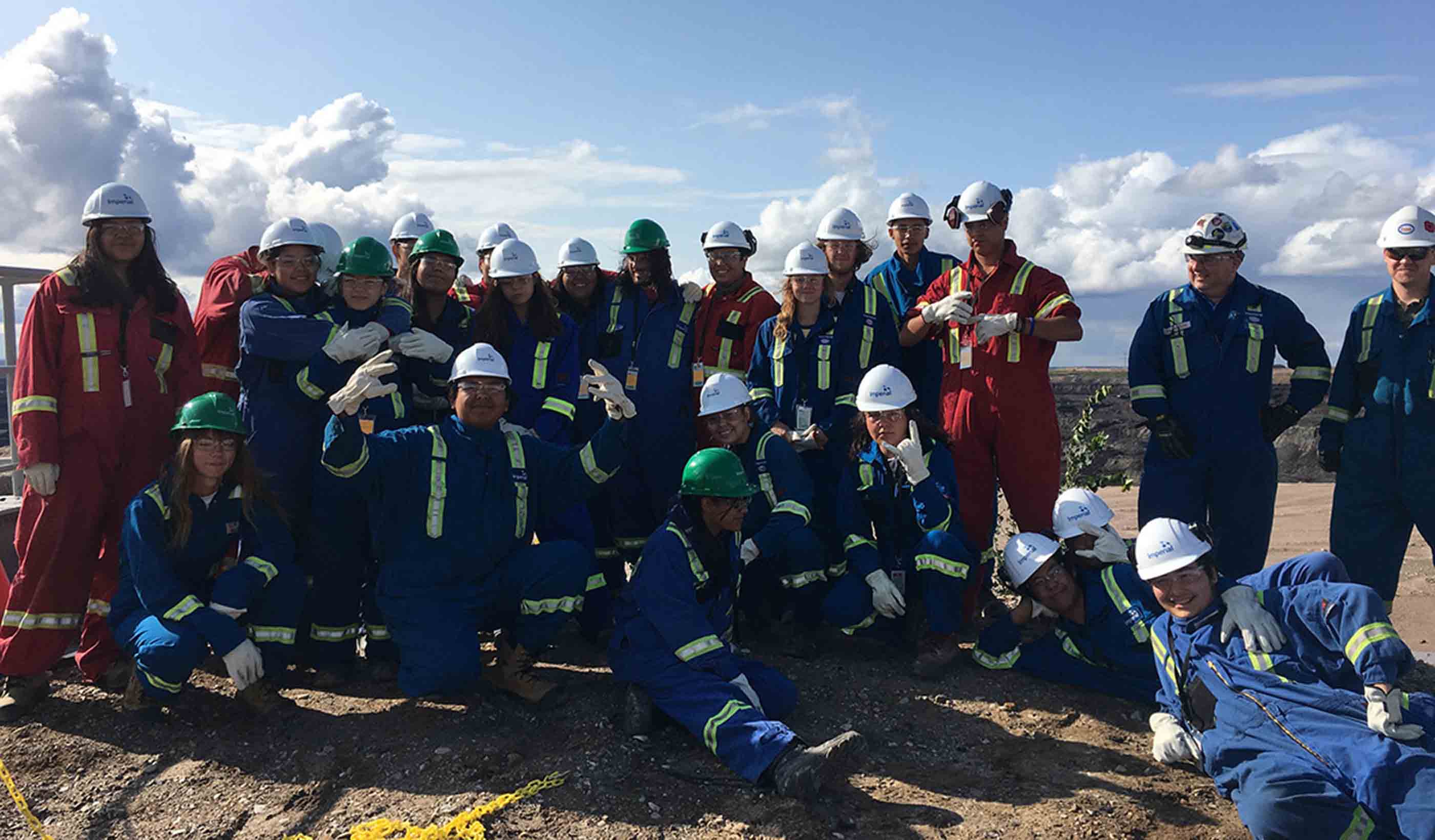
On the shores of Sahtú (Great Bear Lake), stories, science, and stewardship come together. Elders, students, and partners learning side by side in Délı̨nę through Indigenous-led archaeology and land-based teaching.
The programs combined Western archaeological methods with Dene knowledge, creating an opportunity for students to learn from both science and stories—how to read the land and listen to it. What unfolded went far beyond a field course. It became a shared learning experience about healing—of people, of place, and of how we approach work in the North.
This past summer, our team joined community members, Elders, and researchers for two separate week-long field courses in Délı̨nę. We explored how Indigenous knowledge and Western science intertwine—through archaeology, vegetation, and hands-on lessons in environmental stewardship and planning.
Below, Matthew Rawluk, who led the archaeology course, and Stephen Hart, who led the revegetation course, reflect on what made this work meaningful and how the field course is leaving a lasting impact on both the community and their own professional practice.
Matt: When DGG first approached me about helping design an archaeology course for Délı̨nę residents, I was immediately interested. That invitation grew out of earlier work I had done at Mystery Island and the relationship I had built with a Délı̨nę Elder, Walter Behza. The lesson plan and course outline were directly inspired by his stories and the conversations we shared about the land, history, and how knowledge is carried forward.
I have worked in northern archaeology for years, but this was something different. The goal was not just to teach archaeological technique; it was to create a space where local students could explore their heritage through both academic and Dene ways of learning.

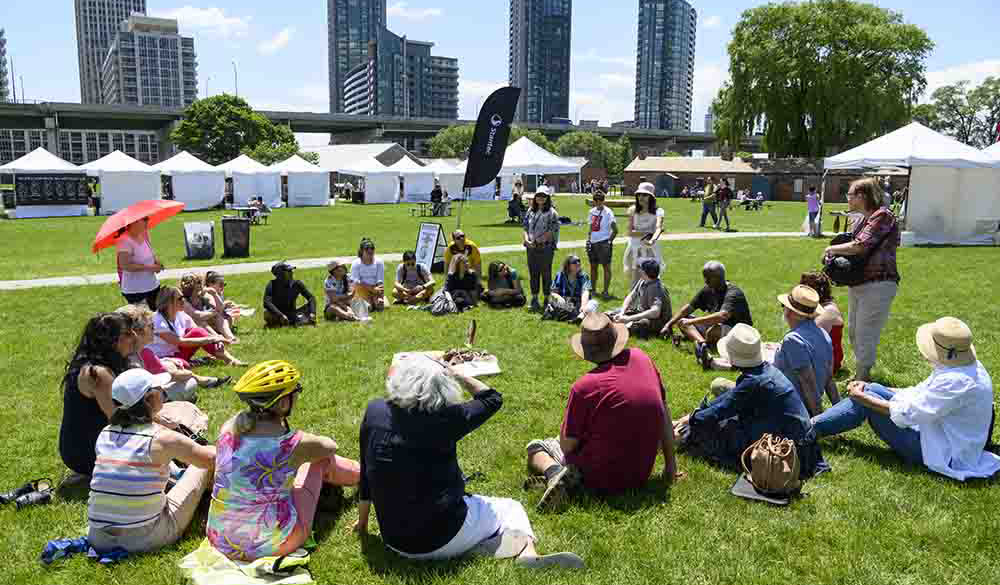
Students document native plants and traditional uses, guided by Dene knowledge to support revegetation, restoration, and the long-term healing of the land.
Stephen: Prior to Stantec, I used to teach at Lakehead University in Thunder Bay, Ontario, in the forestry program. I have always loved teaching and coaching; it’s been a big part of my life—so when there was a chance to teach where I had already been a part of some projects in the area, I jumped at the chance.
What drew me in was how naturally this work connected to the revegetation and land-restoration efforts that have been ongoing in the region. The DGG has been leading ecological recovery as part of the Northern Transportation Route remediation, addressing contamination from the uranium transport routes of the 1940s and ’50s.
Stephen: Each day began with guidance from community Elders, who shared stories about traditional plant use, including medicines, teas, and practical applications. Their teachings grounded the course in lived knowledge, cultural protocol, and the community’s deep connection to Great Bear Lake.
One of the highlights for me was teaching students to identify and work with local plant species, from fireweed to blueberries and cranberries. Students practiced collecting, documenting, and transplanting plants, and even established a small trial plot, gaining hands-on experience in ecological restoration.
For me, the most impactful moments came when students began working independently, collecting plants, creating herbarium specimens, and presenting their findings confidently. Students had to identify traditional uses of the plants and record their Sahtu, English, and Latin names for all the species. Their curiosity, engagement, and growing knowledge were a clear sign of the course’s success.
Ultimately, the course was about more than revegetation; it was about fostering connection—to the land, to knowledge, and to community. One student gave me a community sweatshirt and water bottle on the last day. It felt like a true welcome into Délı̨nę and a reminder that education rooted in community can be transformative for both teacher and student.
What unfolded went far beyond a field course. It became a shared learning experience about healing—of people, of place, and of how we approach work in the North.
Matt: From the beginning, the course was framed around an idea shared with me by a Délı̨nę Elder: that the land is like a storybook. Archaeology is just one way of reading that story—but there are many others, including oral traditions, place names, and lived experience.
Elders opened each day by speaking in Dene, with translation, and at least one Elder joined us in the field throughout the week. That presence shaped everything and grounded how we approached the work.
One of the most important conversations focused on what should happen when artifacts are found. Elders emphasized that objects should remain where they are, so they stay connected to their stories and place. That led to meaningful dialogue about the role of archaeology and how the discipline can evolve when communities lead the process.
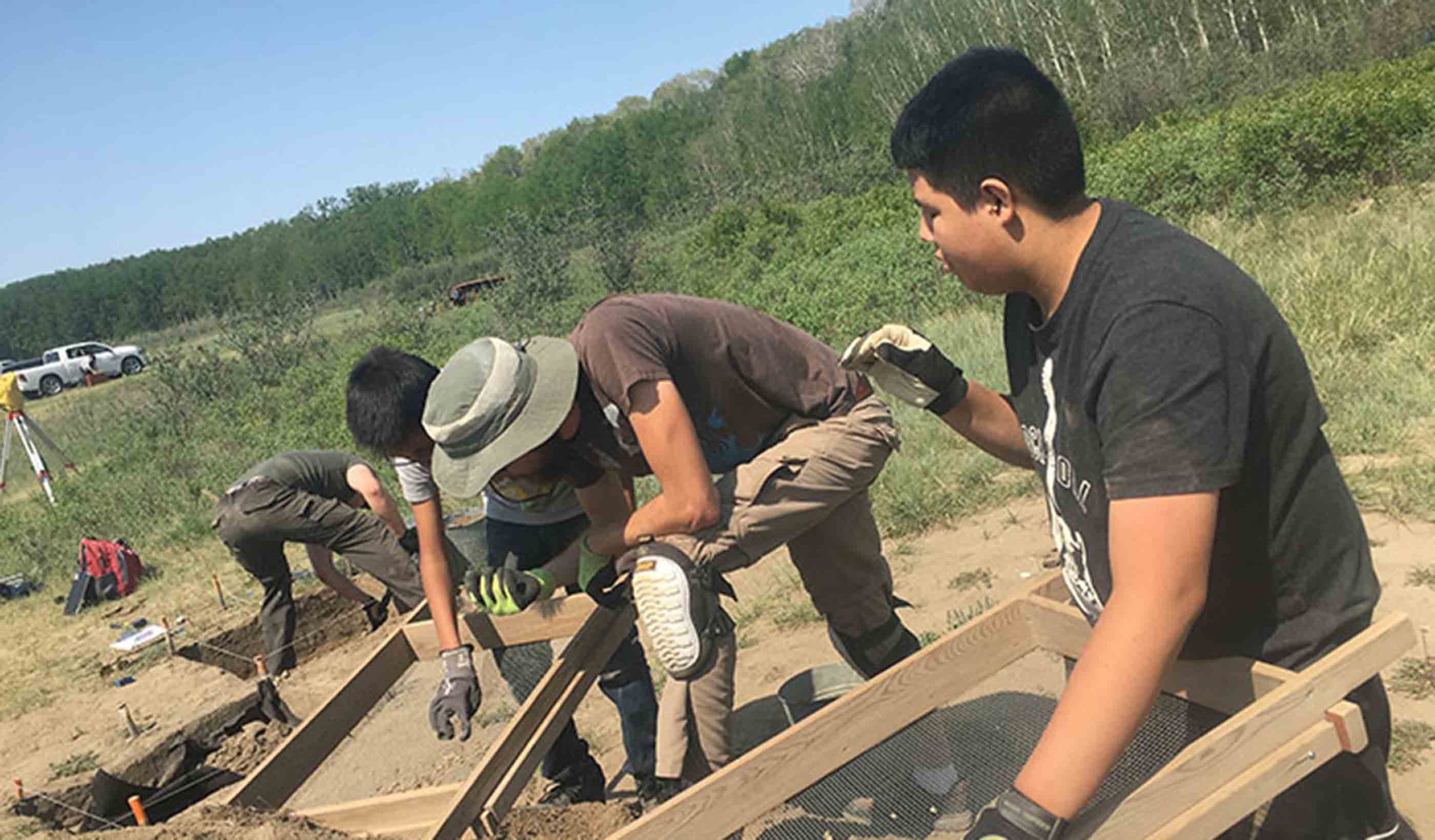
Matt: Out in the field, we used standard archaeological methods—surveying, mapping, shovel testing—but we did it guided through Dene values and local protocol. When artifacts were found, we collectively decided to leave them in place. That decision shifted something in me. Western archaeology often focuses on collection and analysis. Here, Elders reminded us that removal can sever an object from its story and its relationship to place. It reframed what I mean by “context.” Context is not just physical—it is relational. Teaching this course changed how I see my work. Archaeologists can adapt their methods to align with community protocols and Indigenous values without abandoning professional standards.
Stephen: As we walked through Délı̨nę, I saw how vegetation told its own version of history. Areas that were once disturbed decades ago are still in the process of regeneration. Seeing the new growth made the connection between cultural heritage and ecological restoration unmistakable.
For me, revegetation isn’t just about planting, it’s about restoring relationships. The same principles that guide how we approach soil and species selection also apply to how we approach people and culture: respect what’s there, understand its history, and work with it, not over it.

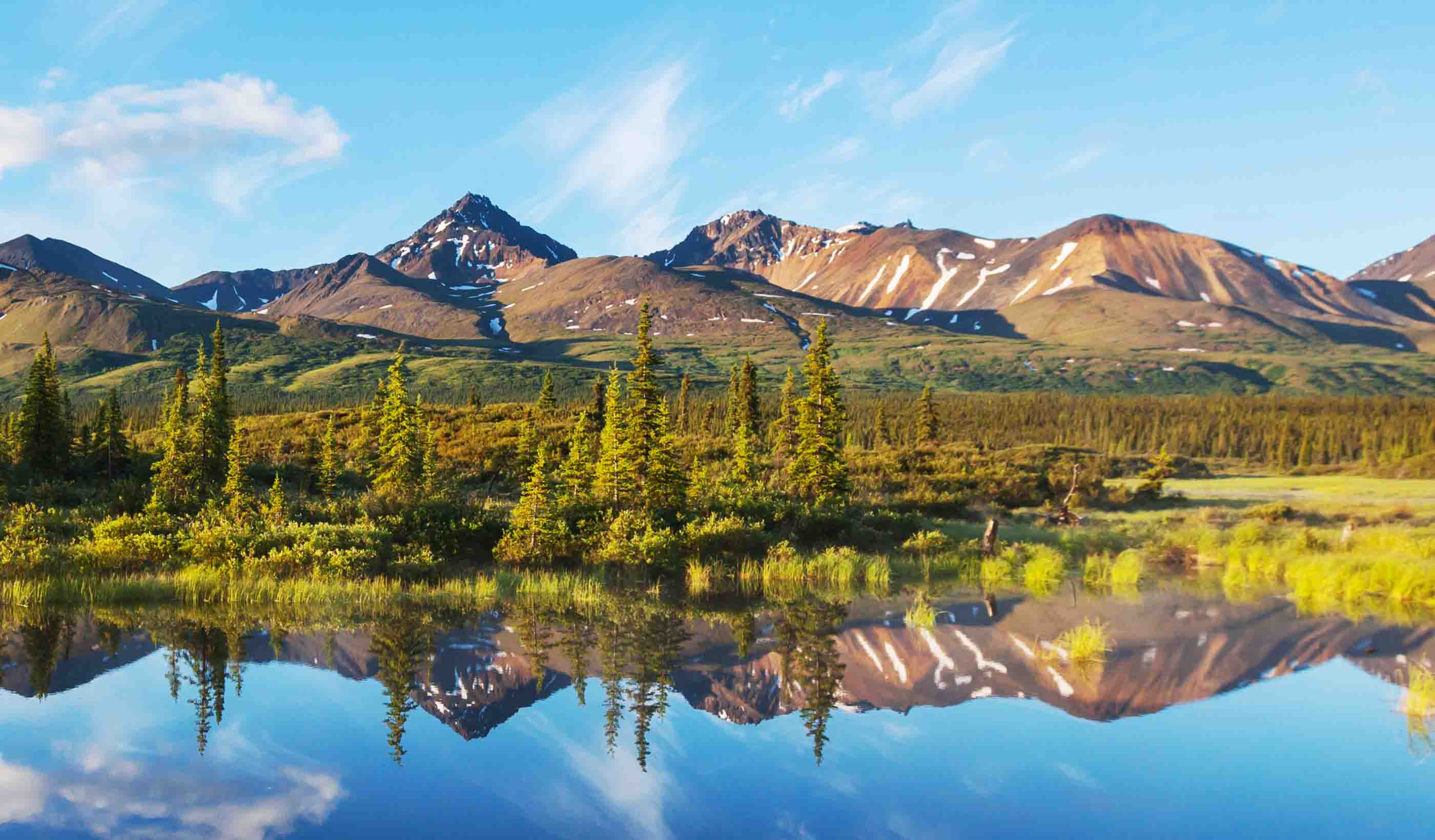
Overlooking Sahtú (Great Bear Lake), Canada’s largest lake entirely within its borders and the world’s eighth largest. In Délı̨nę, its waters hold deep cultural knowledge and a complex history, now guiding ongoing environmental restoration.
Stephen: The goal is to continue offering similar programs, building local capacity for environmental work. Each new course is a step toward community-led management of cultural and natural resources.
For me, the long-term goal would be to build local capacity so community members can take part in planning, implementing, and monitoring mine revegetation work themselves. A single course won’t accomplish that on its own, but over multiple years, this kind of training could become a targeted pathway—equipping people in the community with the skills and confidence to lead that work.
Matt: I left Délı̨nę with a renewed sense of purpose. The field course wasn’t just an academic exercise; it was a demonstration of what reconciliation can look like in practice. In fact, it makes the work stronger. For me, it underscored a simple truth, that good science grows from good relationships—between people, disciplines, and the land itself.
Standing by the lake at the end of the course, watching the students share what they had learned, I felt immense gratitude. Gratitude for the Elders who trusted us, for the land that guided us, and for the students whose curiosity and pride made the experience unforgettable.